
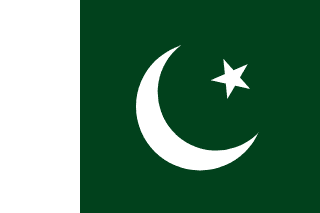
Study in Pakistan
Pakistan offers extremely affordable education with growing opportunities in technology and business sectors.
Capital
Islamabad
Language
Urdu/English
Currency
PKR
Avg Cost/mo
$200–400/mo
Avg Tuition
Varies widely: public universities set foreign-student fees, often in USD; private universities and medical colleges charge more
Pakistan offers extremely affordable education with growing opportunities in technology and business sectors.
Visa Information
- After admission, your university requests an HEC No Objection Certificate; then apply online for a study visa through the Pakistan Online Visa System
- Study visas are issued for up to two years after security clearance and can be extended in Pakistan
- No fixed funds figure is published; the university or embassy may ask for a bank statement or sponsorship letter
- Check current government travel advice, which differs by region
Study requirements
- Intermediate (HSSC) or A levels for bachelor's (O/A levels and foreign certificates need IBCC equivalence), a 16-year bachelor's for MS or MPhil, and an 18-year degree for PhD
- Teaching is in English; IELTS or TOEFL is needed only by international applicants who did not study in English
- An entry test: the university's own or a recognized one, such as ECAT (engineering), MDCAT (medicine and dentistry) or NUST's NET; many universities ask for GAT or HAT for MS and PhD
- International applicants apply through the foreign admissions office; foreign degrees need HEC equivalence
- Apply through the university's online admission portal during the announced admission cycle
- International applicants: a valid passport and proof of funds; the university obtains the HEC No Objection Certificate for your study visa
Student life
Islamabad, Lahore, Karachi and Peshawar host most universities, and living costs are very low. Lahore and Karachi are large and busy, while Islamabad is greener and calmer, and metro bus lines and ride-hailing apps make getting around cheap. Summers are very hot in the plains, and the northern mountains are a popular escape. Check current government travel advice, which differs by region.
Scholarships in Pakistan
Find your funding here


Top universities
Universities in Pakistan


Study options
Programs in Pakistan

Share this destination guide